



After-School Programs for Equal Learning Opportunities

Today’s theme: After-School Programs for Equal Learning Opportunities. Join us as we explore how the hours after the last bell can open doors, reduce barriers, and spark confidence for every learner. Subscribe for stories, practical ideas, and ways you can help this movement grow.

Why After-School Matters for Equity

For many students, learning stops when the school doors close, but enrichment continues for those with resources. After-School Programs for Equal Learning Opportunities address this gap with structured time, caring mentors, and reliable access to tutoring, arts, and safe exploration.

Why After-School Matters for Equity

Jamal waited every day outside the branch library until a coach invited him into an after-school robotics club. Within months, he went from failing science to leading a Saturday demo, proving how consistent support can transform confidence, curiosity, and classroom performance.
Sliding-Scale and No-Cost Access
Equity begins with affordability. Sliding-scale fees, fee waivers, and stipends for transportation or supplies ensure After-School Programs for Equal Learning Opportunities don’t become a privilege. Publish clear policies and outreach in multiple languages so families know cost won’t stand in the way.
Culturally Responsive Curriculum
When students see their history, languages, and communities reflected, engagement rises. Incorporate culturally relevant texts, music, and projects, and invite family traditions into programming. This approach nurtures belonging while strengthening literacy, problem-solving, and pride across diverse identities.
Trauma-Informed Spaces
Safety and dignity are prerequisites for learning. Train staff in trauma-informed practices, offer predictable routines, flexible seating, and calm corners. Replace punitive responses with restorative conversations that honor feelings, rebuild trust, and keep students connected to supportive communities after school.

Removing Barriers: Rides, Meals, and Time

Transportation That Really Works

Coordinate late buses, carpool networks, and transit passes. Map routes to ensure students from distant neighborhoods are not left behind. Clear pickup times and consistent drivers build trust, reduce absences, and make equal learning opportunities a daily reality, not a distant promise.

Nutritious Snacks as Academic Fuel

Hunger sabotages focus. Partner with local grocers and food banks to provide fresh fruit, protein, and culturally familiar options. A predictable snack ritual signals care, stabilizes energy, and prepares students for the reading, coding, or rehearsing ahead.

Partnerships that Multiply Impact

When teachers share data, nonprofits bring mentors, and families voice priorities, programs get smarter. Hold quarterly roundtables, co-design projects, and align goals. This alignment reduces duplication, fills gaps, and ensures every hour after school is intentional, connected, and welcoming.

Partnerships that Multiply Impact

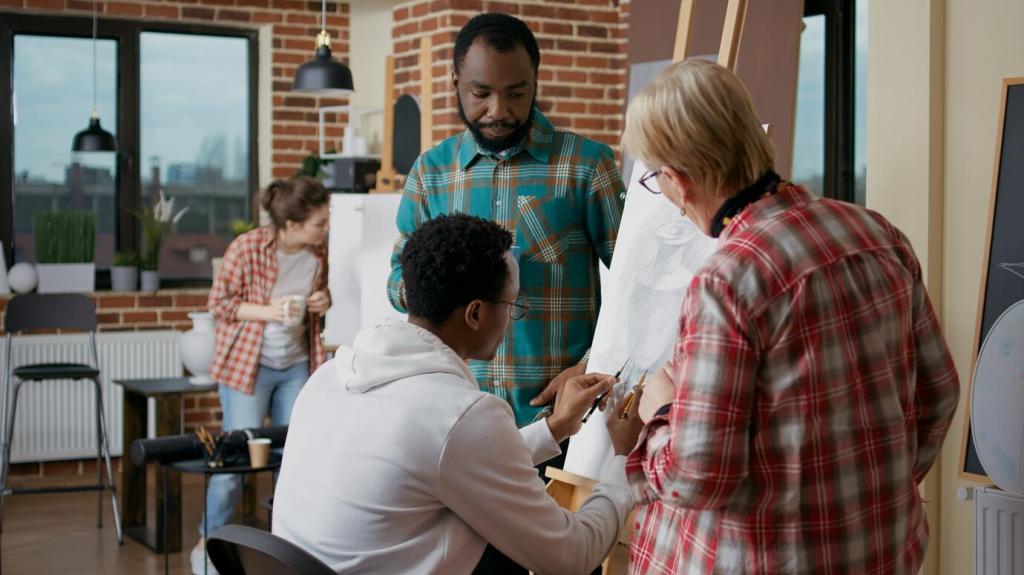
Small grants and in-kind support go far. A bike shop donates tools for a repair club; a bakery funds snacks; a print studio offers design workshops. These investments turn community goodwill into tangible opportunities students can touch, build, and celebrate.

Youth Voice at the Center

Form councils that shape schedules, propose clubs, and evaluate activities. Provide facilitation training and rotating roles. When students co-own the agenda, participation grows, conflicts shrink, and the programming reflects real interests, not adult assumptions about what young people want.
Peer mentors normalize struggle and celebrate progress. Train tutors in questioning strategies, asset-based language, and referral paths. The result is a culture where asking for help shows strength, and students witness each other’s brilliance emerging in real time.
Channel leadership into community service. Organize neighborhood cleanups, reading pals, or tech support days for elders. Reflection circles connect service to identity, purpose, and civic voice, turning after-school hours into laboratories for empathy and local problem-solving.

Tech and Hybrid Access for Everyone

Offline-First Learning Kits

Connectivity should not dictate learning. Provide printed guides, manipulatives, and QR codes that cache content. Students can practice coding logic with unplugged activities, then upload progress when connected, keeping pace without penalty for bandwidth limitations.

Devices, Hotspots, and Care

Lend durable devices, offer multilingual tech help, and repair quickly. Protect privacy with managed profiles and teach digital citizenship. When tools are reliable and respectful, technology becomes a bridge to equal learning opportunities rather than a gatekeeper.

Universal Design for Learning Online

Caption videos, offer transcripts, and provide multiple ways to show understanding. Pair visuals with text, allow voice notes, and use keyboard-friendly platforms. Accessibility features empower neurodiverse learners and English learners to thrive after school and beyond.
Wickedwhispersmedia
Privacy Overview

This website uses cookies so that we can provide you with the best user experience possible. Cookie information is stored in your browser and performs functions such as recognising you when you return to our website and helping our team to understand which sections of the website you find most interesting and useful.